Discover how advanced control systems improve product consistency, reduce waste, and optimize your extrusion process. Explore our solutions or connect with our team to learn how ICT can modernize your production line.
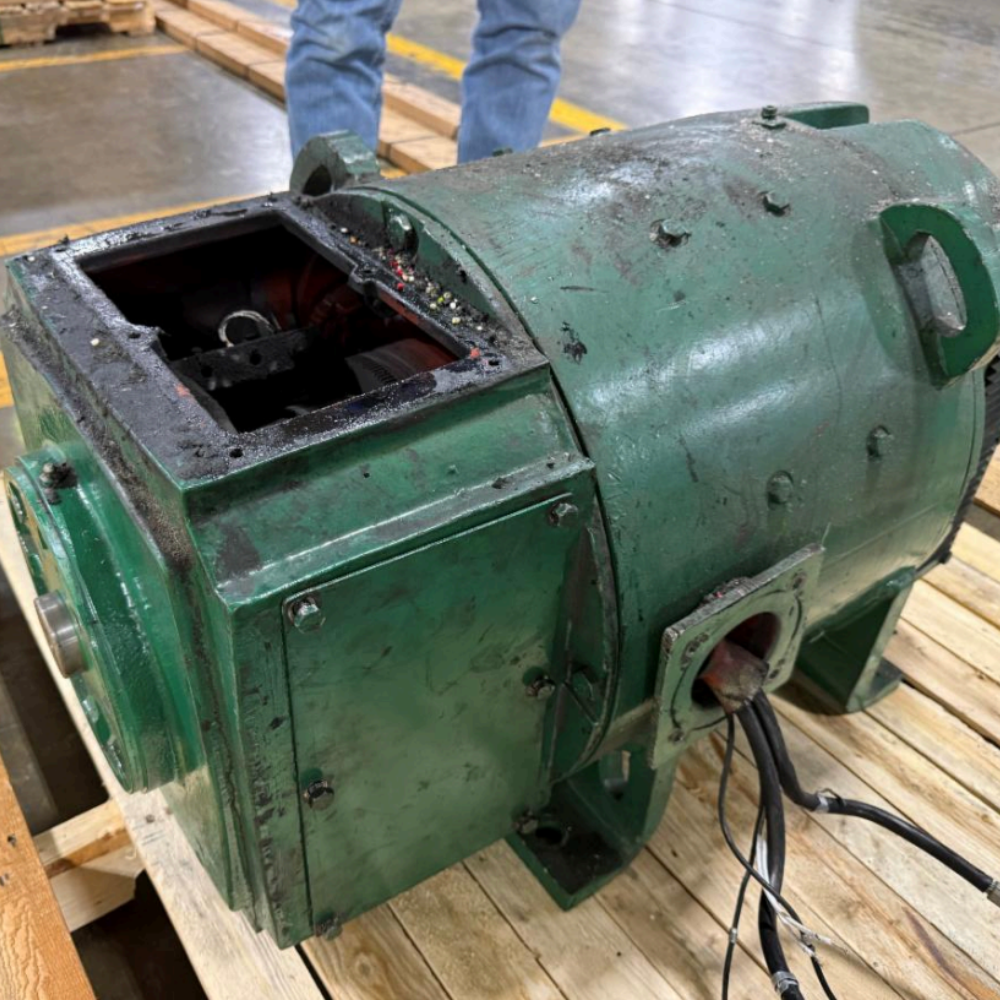
Get Started TodayIndustrial DC motors are often rebuilt multiple times throughout their operating life to extend usability and delay replacement costs. While rebuilding can restore functionality and temporarily improve reliability, repeated rebuilds gradually affect both the efficiency and long-term service life of the motor. The extent of these effects depends heavily on the quality of the rebuild process, the operating environment, and the overall condition of the motor components.
This document outlines the primary impacts repeated rebuilds have on industrial DC motors and the considerations for determining when replacement becomes more economical than continued repair.
Each rebuild can introduce small electrical inefficiencies that accumulate over time. Armature rewinds may not perfectly replicate the original factory winding geometry and manufacturing tolerances.
Variations in:
can increase electrical losses within the motor.
As a result, rebuilt motors commonly experience:
A DC motor that has been rebuilt several times may operate 2–10% less efficiently than its original factory performance, depending on rebuild quality and operating conditions.
Repeated rewind procedures can damage the magnetic properties of the armature core. During the removal of old windings, excessive heat may:
These changes reduce the motor's magnetic efficiency and lead to:
Eventually, the armature core may become unsuitable for further rewinding.
Multiple rebuilds typically involve machining or reworking several mechanical components, including:
Over time, repeated machining and wear can result in:
These mechanical issues contribute to:
The commutator is one of the most critical wear components in a DC motor.
Each resurfacing operation removes material from the commutator surface. After multiple rebuilds:
This often results in:
At some point, the commutator must either be replaced or the armature retired from service.
Although rewinding replaces portions of the insulation system, some original insulation materials may remain in service, including:
Years of thermal cycling and environmental exposure cause:
These conditions increase the risk of:
As industrial DC motors age and undergo multiple rebuilds, overall reliability typically declines.
Common symptoms include:
Older rebuilt motors generally require more maintenance and become less predictable in demanding production environments.
DC motor systems are significantly less efficient than modern AC motor systems, especially after repeated rebuilds.
AC Drives and Motors offer several advantages:
For this reason, many facilities choose to replace aging DC systems with AC Drives and Motors.
In many industrial applications:
The decision to continue rebuilding versus replacing should consider:
Rather than simply whether the motor can still operate.
Repeated rebuilding of industrial DC motors gradually reduces both efficiency and reliability due to electrical degradation, mechanical wear, insulation aging, and declining commutator integrity. While rebuilds can significantly extend useful life, there comes a point where continued repairs become less economical than replacement with modern motor and drive technologies.
Facilities operating aging DC motor systems should periodically evaluate the total lifecycle cost of continued rebuilding versus modernization to ensure optimal reliability, efficiency, and production performance.